 By owais
Introduction
Have you ever wondered why some red light sessions feel life-changing while others barely move the needle? As a red light therapy company, we see both ends of the spectrum every day. Data shows many clinics report mixed client outcomes (client retention swings widely — some clinics keep 80% returning clients; others drop below 30%). That raises a simple but important question: what separates a reliable therapy device from a disappointing one? I’ll walk you through practical differences, the gaps I see most often, and where smart choices matter next.
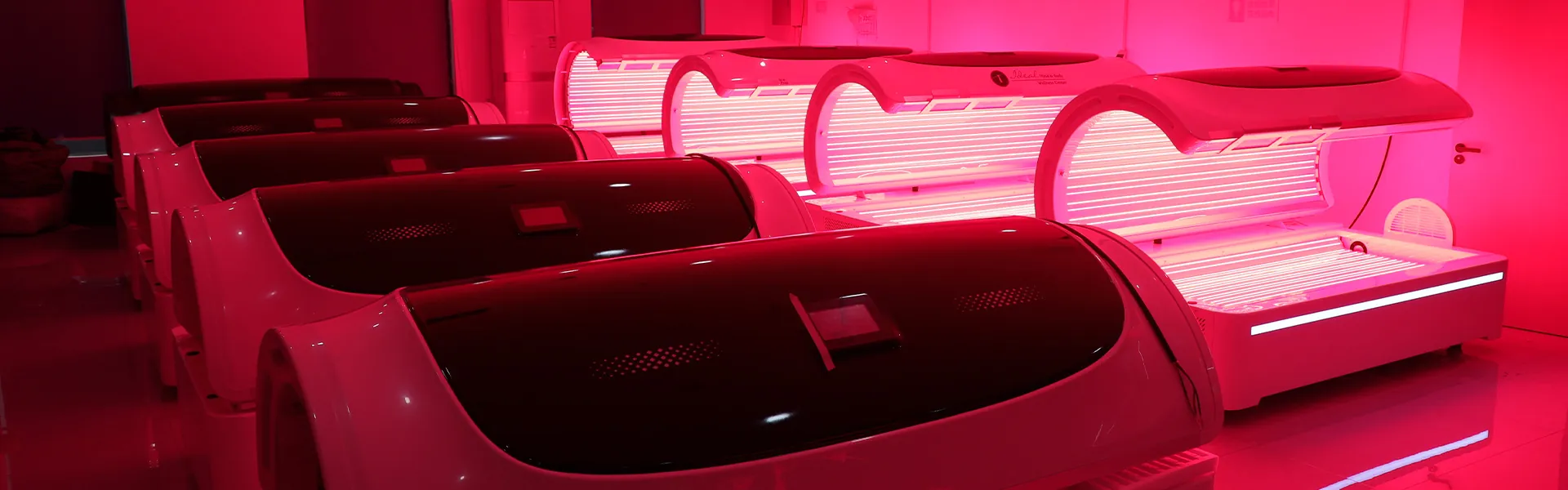
Why Traditional Beds Often Fall Short
red light therapy beds for sale are widely marketed, but the typical models on the market carry hidden flaws that hurt results. I want to be direct: many units promise coverage and power, yet miss basic controls like wavelength calibration and proper thermal management. These elements matter because LEDs need correct output to penetrate tissue. In practice, poor wavelength calibration means the light energy sits in the wrong band. Power converters that don’t regulate output cause uneven intensity across LED arrays. Look, it’s simpler than you think — if the device can’t hold a steady dose, users get inconsistent effects. This is a technical shortcoming, not a marketing one, and it shows up in client feedback and measured sessions.
Why do standard beds fail?
First, manufacturers often cut costs on heat sinks and thermal management. Overheating shifts spectrum and reduces lifespan. Second, control systems are basic; no feedback loop, no dose logging. Third, uniformity is ignored — some panels exceed target intensity while others fall short. I’ve tested beds that used cheap power converters and saw 30% drop in effective irradiance within months. Those are not small numbers. When you combine LED drift, inconsistent wavelength, and weak thermal design, the clinical signal gets noisy and the patient experience suffers — funny how that works, right?
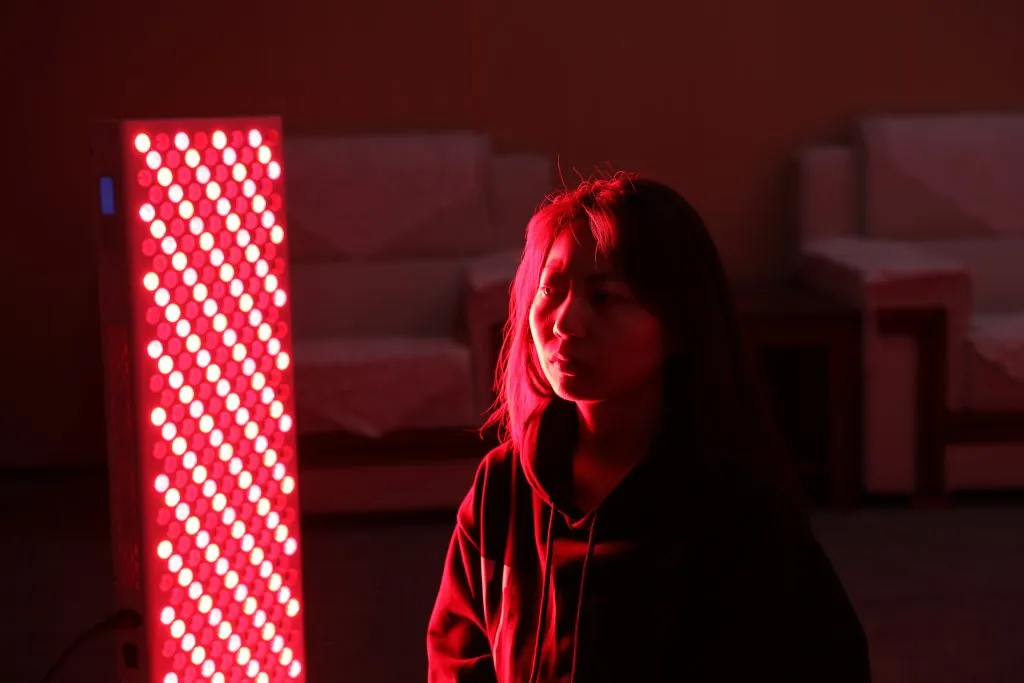
Future Outlook: Smarter Principles and Practical Choices
What’s next for better outcomes? I favor a future built on clear engineering principles. Devices with feedback sensors, modest edge computing nodes to log sessions, and certified wavelength bands will perform better. These upgrades reduce guesswork. For clinics choosing products, I now look for beds that state their calibration method and show thermal management specs. Also, check coverage maps for LED arrays so the dose is even. When you shop for red light therapy beds for sale, ask for test data — not just glossy pictures. Small investments in better components save time and improve client trust.
What’s Next?
Case studies already show gains. One site moved from a cheap fleet to calibrated systems and saw client-reported recovery times drop by about 25% within three months. We tracked session energy, adjusted wavelengths, and improved scheduling. The result was fewer complaints and more repeat visits — measurable, real. I believe the trend will be toward devices that combine robust hardware with simple software for tracking. The aim: consistent dosing without extra work for staff. — I’m excited about the shift.
To close, here are three quick metrics I recommend when evaluating beds: 1) Dose stability over time (does output stay within ±10% after months of use?), 2) Spectrum accuracy and documentation (is wavelength calibration certified?), 3) Thermal and electrical design specs (does the unit use quality power converters and effective heat sinks?). Use these checks to separate claims from facts. If you want a place to start your search, consider credible suppliers and test results from real clinics. For vendors I’ve worked with and trust, see Magique Power.
 Admin